On 17 October 2026, Tom’s Hardware published a report by Jowi Morales, timestamped 13:21 UTC, on a HUMXN program that pays for home repairs in exchange for a recording of the work. HUMXN’s own journal post is dated 6 October 2026 and datelined Minneapolis. A PRLog release dated 7 October names the same cities and trades. Tom’s Hardware links to the journal post. The pages that loaded are on humxn.io. A request to humxn.com returned no page.
What HUMXN says it will pay for
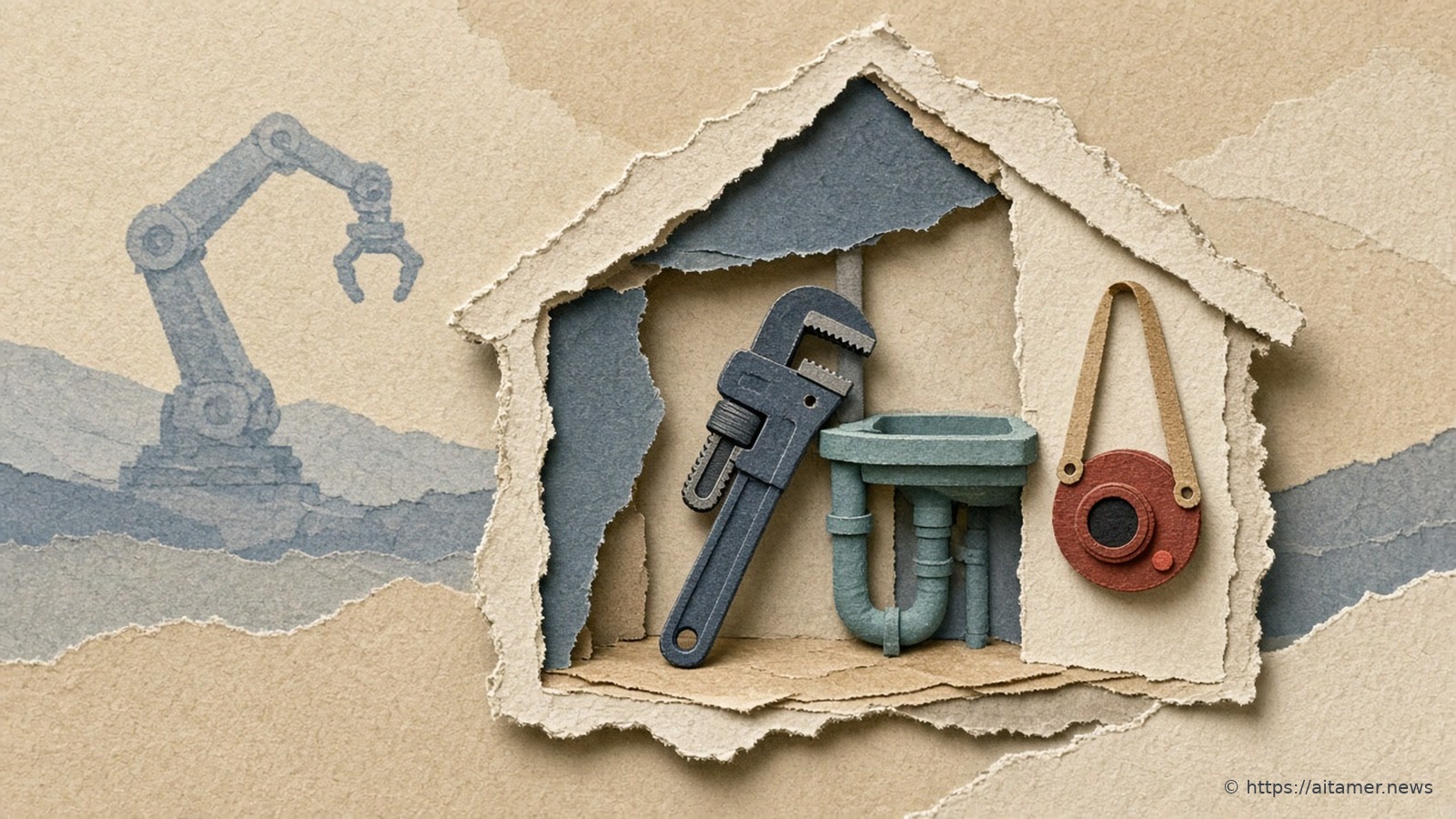
The journal says HUMXN, which calls itself an AI data and training company, will pay for qualifying home-service appointments so the work can become training data for AI and robotics. It names partnerships with home-service companies in Minneapolis, Chicago and Miami. The trades are plumbing, electrical, HVAC, air-duct cleaning and carpet cleaning, at no cost to participating homeowners.
The homeowner page says HUMXN pays local service companies to do qualifying jobs while recording the work. It says a job that qualifies is free: the homeowner does not pay for the visit or the labor. If a part is unusually expensive, or the job goes past the agreed scope, HUMXN says it will say so before anything happens. It limits the work to a normal service call or a day’s work, and it says the program is looking for real repairs and real service, excluding large remodels and new construction. The form lists Los Angeles, New York and San Francisco as coming soon.
The same page says the people who do the work are licensed, insured local companies that have partnered with HUMXN, and that HUMXN pays them. Tom’s Hardware describes the homeowner side as free qualifying work, and it also glosses the deal as HUMXN paying residents for the right to record. The company pages say the payment goes to the service company.
What the recording is, on HUMXN’s pages
HUMXN says participating technicians do the job as usual while wearing capture gear that documents the work from the technician’s point of view: hands, tools, the equipment and the problem. The journal says that record is meant to keep the sequence of the job, including what the technician examines, what they test, which tools they choose, how they respond when conditions change, and how they decide the job is finished. Tom’s Hardware’s headline says wearable sensors. The body of that article, and HUMXN’s pages, say wearable capture technology and capture gear. HUMXN’s pages do not name a camera model or a sensor list.
The homeowner page says faces, names, mail, screens and other personal details in frame are blurred or removed before sharing, that the address is never shared, and that approved organizations may use the footage under a license to train and evaluate AI and robotics systems. It says nothing is scheduled or recorded until the homeowner agrees, and that they can ask what is captured before a visit is booked. The homeowner usually needs to be home, and does not need to be on camera.
Those sentences are HUMXN’s description of its own process. The pages do not name the approved organizations, quote a license, or say how long footage is kept. They describe technicians as participating. They do not set out a separate written consent step for the technician. Whether a household, and whether a technician, can see and decline the recording in practice is not settled by the offer page alone.
The quotations, and what is not in the pages
The journal quotes founder Thomas Unise: “The next generation of AI is going to need more than text and images from the internet. Robots need to understand how skilled people interact with the physical world. Home-service technicians perform millions of highly technical tasks every day. We are creating a way for homeowners and service companies to benefit financially from the value of that expertise.”
A second quotation on that page: “There are millions of skilled workers performing incredibly complex tasks every day, but very little of that expertise exists in a format that AI systems can learn from. We want to build the infrastructure that connects that knowledge with the companies building the next generation of intelligent machines while making sure the people creating the value participate in the economics.”
Tom’s Hardware prints both of those passages. The PRLog release prints a different pair of sentences, including “Robots need to learn how skilled people actually work in the physical world.” The “millions” figures are Unise’s, as those pages quote him. They are not a count published with a method.
No funding round, no named buyer, and no license terms appear on the journal page, the homeowner page, the PRLog release, or the Tom’s Hardware article. The journal says AI and robotics companies gain access to the data. It does not name one. A request on the homeowner form is a question, the page says, and nothing is scheduled until the person agrees. Whether any visit has already been completed is not stated on those pages.
The Campfire
No commentsNobody has pulled up a log by this one yet. Be the first to say what you make of it.
Held for the desk. It appears after a look.