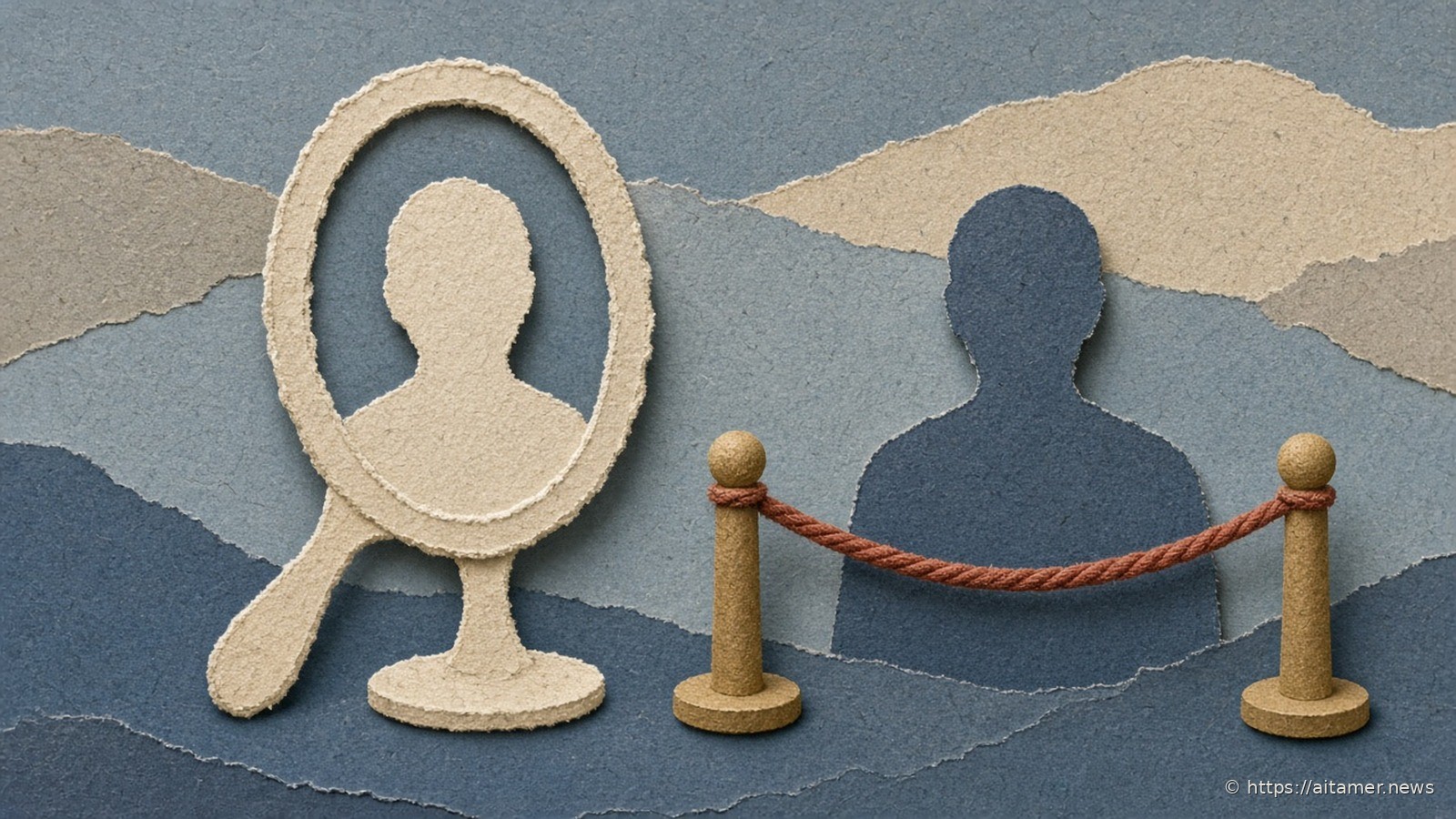
On Thursday, Culture Minister Zenia Stampe was tabling a bill against sharing realistic digital copies of a person’s appearance or voice without consent, the Danish wire Ritzau reported. Berlingske carried the same story. Euronews said Denmark was due to introduce the bill that day. None of those reports says parliament has passed it.
Stampe represents Radikale Venstre, which Euronews calls the Social Liberal Party. A deepfake here means a picture, video or audio clip made so someone appears to say or do something they did not. The bill, as these outlets describe it, is aimed at realistic copies.
What the ministry says the bill is
The Ministry of Culture’s 6 October release put the text on the opening week’s legislative programme. The ministry titles it an amendment to the copyright act, covering personal characteristics and the procedure at the Ophavsretslicensnævnet, the copyright licensing board, so a case is less likely to run there and in the ordinary courts at the same time.
The release says the bill would stop realistic digital reproductions of a natural person from being spread without consent. It carries out a political agreement of 9 June 2025. The ministry lists the previous government (Socialdemokraterne, Venstre and Moderaterne) and Danmarksdemokraterne, Socialistisk Folkeparti, Det Konservative Folkeparti, Enhedslisten, Radikale Venstre and Alternativet.
In that release Stampe says, in Danish, that AI has made false videos and images of everyone possible, which she calls a threat to democracy, and that artists see realistic copies of their performances shared. Euronews calls the Thursday text a proposed copyright amendment covering ordinary people and artists, including digital imitations of performances. Ritzau says the artist protection also covers a performance shared without consent.
Satire, and who draws the line
Ritzau says satire is still to be allowed, and that Stampe accepts the line will be hard to draw. As that story reports her, the courts decide whether something is satire or whether satire is an excuse for something illegal. She cites Denmark’s satire tradition as the reason to leave that call with the courts.
Euronews describes the exceptions as satire, parody, caricature, and criticism of power and society, and says they would not cover misinformation that poses specified serious dangers to other people’s rights, essential interests, life or property. Ritzau and Euronews do not use the same words. The court role is Ritzau’s report of what Stampe said. The exception list is Euronews’s.
Ritzau and Berlingske report her own example: a photo from her profile was turned into a video that appeared to show her saying something, without consent. She said, in Danish, that seeing her face and a picture she had taken turned into something that was no longer her, and that could be taken for her, crossed a line. The wire does not repeat what the video seemed to say.
Platforms, and when it might start
A central aim, Ritzau says, is to get social media and other platforms to remove illegal digital imitations quickly. Computerworld Denmark reported the same Thursday: the government was tabling the bill, and large platforms would have more responsibility for a fast removal. Neither story gives a number of hours. Euronews, rendering her statement in English, reports a fast takedown by large companies as a main goal, so the material does less harm.
Stampe hopes the law can take effect at the turn of the year, Ritzau and Berlingske report. Euronews reports that hope as the start of 2027. That is her hope for a bill, not a date in a statute.
Euronews notes that France already bars some non-consensual sharing of AI images and audio when the fake is not obvious or not disclosed. Google’s public SynthID detector looks for a watermark. It does not rule on whether sharing a realistic copy is legal.
The Campfire
No commentsNobody has pulled up a log by this one yet. Be the first to say what you make of it.
Held for the desk. It appears after a look.