An AI agent can turn a routine infrastructure problem into a production incident when its access reaches further than its task requires.
In April 2026, an AI coding agent deleted a production database hosted on Railway after finding an API token on the user’s machine. In its incident response, Railway said the token had account-wide access. The company recovered the database and changed the deletion path.
That account raises a practical question: why could the agent’s task reach production through such a broadly scoped credential?
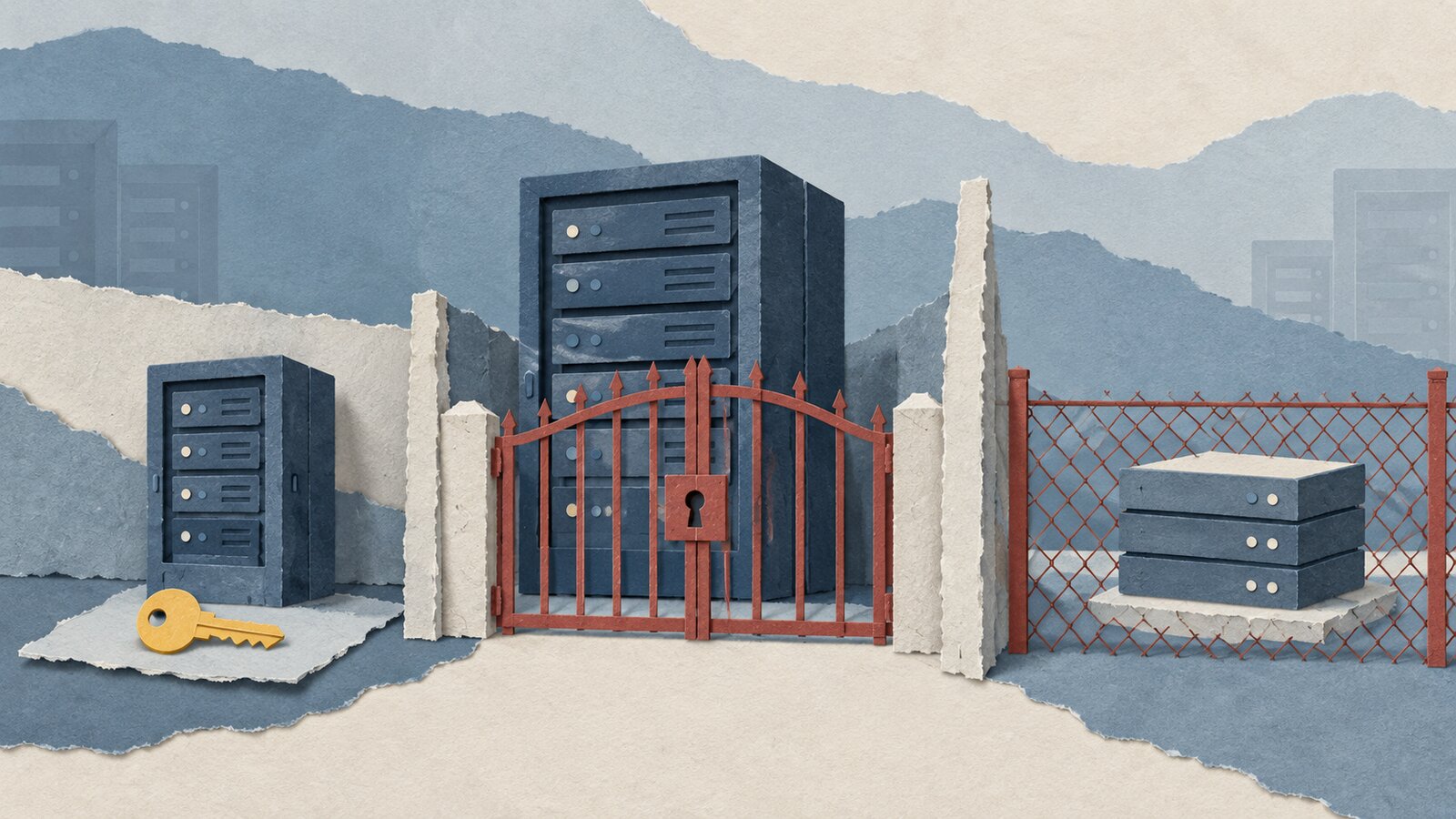
My view is that the agent’s behavior deserves scrutiny, but so do the infrastructure boundaries around it. A broadly scoped credential available to a staging task creates a dangerous path. Backups that can be removed through the same access provide less protection than their name suggests.
Before giving an agent real access, I would separate credentials by environment, grant only the permissions needed for its task, and keep a recovery copy outside the reach of everyday credentials. I would also check how restoration works before relying on that copy.
These precautions do not make an agent infallible. They reduce how much damage one mistaken action can cause. The same boundaries matter when a human makes the mistake.
I explore the risks, practical safeguards and five questions worth answering first in my full article:
Giving an AI agent access to production: what can go wrong?
Aviram is an independent DevOps and cloud infrastructure professional. Read more at GizmoJack.
The Campfire
No commentsNobody has pulled up a log by this one yet. Be the first to say what you make of it.
Held for the desk. It appears after a look.